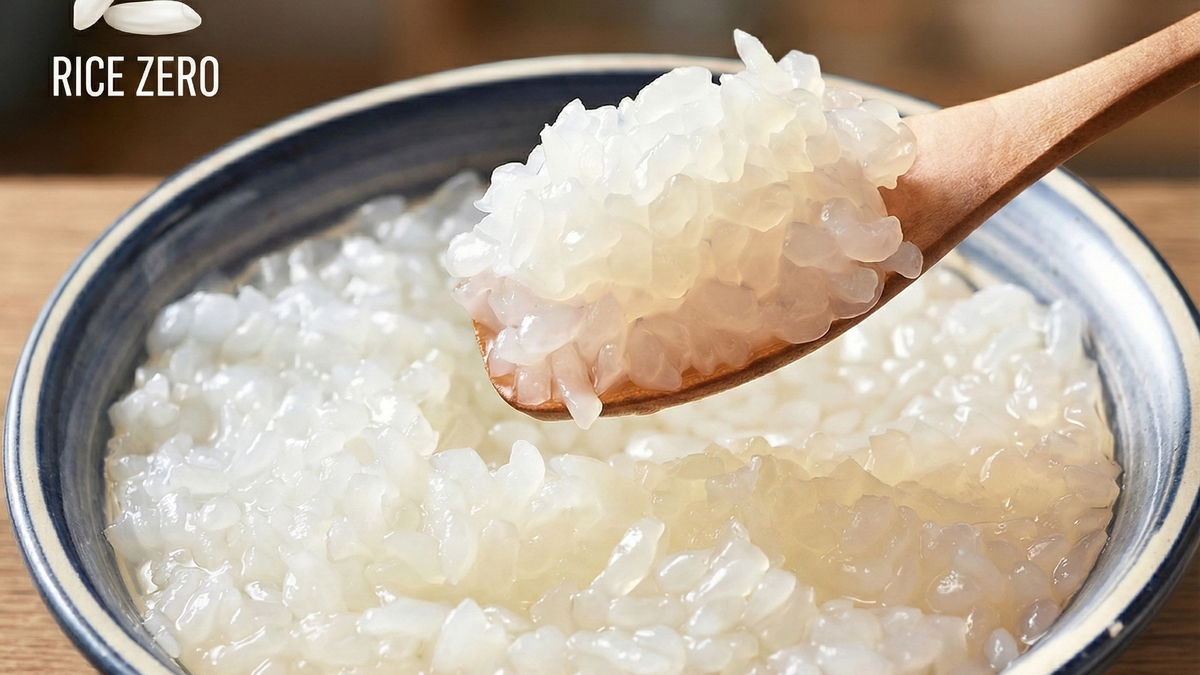
History of shirataki rice
The History of Shirataki Rice
Shirataki rice might seem like some trendy modern invention dreamed up in a Silicon Valley food lab, but the story behind it goes back way further than you'd think—with a twist.
The Ancient Foundation: Konjac in Asia
The konjac plant has been used in Asia for nearly 2,000 years. In Japan, konjac has been consumed since the 6th century, initially as a medicinal food. The plant itself—officially called Amorphophallus konjac—is native to mountainous regions of Southeast Asia, particularly Japan, China, and Korea.
For centuries, the Japanese processed the konjac plant's underground corm (basically a bulbous stem) into a jelly-like food called konnyaku. This wasn't exactly fine dining material. It was chewy, somewhat bland, and primarily valued for its supposed health properties, especially its ability to aid digestion.
The Original Shirataki: It Was Noodles, Not Rice
Here's where the history gets specific. Shirataki products have been widely used in Japan since the 16th century. But these weren't rice-shaped grains—they were noodles. Long, translucent, gelatinous noodles.
The name "shirataki" literally translates to "white waterfall" in Japanese, which makes perfect sense when you see the translucent strands cascading into a bowl. Different regions of Japan actually had distinct production methods: producers in the Kansai region made shirataki by cutting konnyaku jelly into threads, while those in the Kantō region pushed konnyaku through small holes into hot lime solution.
A major turning point came in 1776, when Nakajima Toemon developed a method to produce konjac flour, making it more durable for transportation and storage and contributing to wider consumption. This innovation meant shirataki could travel beyond local markets.
In traditional Japanese cuisine, shirataki noodles showed up in hot pots like sukiyaki, in oden (a winter stew), and various simmered dishes. They were never the star of the show—more like the supporting player that added texture and bulk without overwhelming other flavors.
The Rice-Shaped Innovation: A Modern Adaptation
So when did shirataki rice actually appear? That's where things get interesting, because shirataki rice as a distinct product is actually pretty new.
While shirataki rice has been part of the Asian diet for nearly 2,000 years in various forms, it's still fairly new to the Western culinary world. But there's some nuance here. Traditional Japanese cuisine did include rice-sized konjac granules (called tsubu konjac), but these weren't marketed or used quite the way modern shirataki rice is.
The rice-shaped product we know today—packaged, marketed as a rice substitute, and specifically positioned for Western low-carb dieters—emerged as konjac manufacturers realized they could reshape the same konjac gel into different forms. In recent years, the Western market has welcomed konjac-based foods as ideal substitutes for starchy foods like rice, noodles, and pasta.
The Western Introduction: Enter Miracle Noodle
The company most responsible for bringing shirataki to mainstream American consciousness is Miracle Noodle. In 2006, Dr. Jonathan Carp was visiting Japan when a friend took him to a Buddhist-run vegetarian restaurant near Kyoto where he tried shirataki noodles. After learning about the health benefits, he returned and started Miracle Noodle with his family.
Initially, the company focused on noodles in various pasta shapes—angel hair, fettuccine, spaghetti. But they also introduced Miracle Rice, the rice-shaped version of shirataki, to their product line. The timing was perfect.
The Low-Carb Diet Explosion
The 2000s and 2010s saw an explosion of interest in low-carb dieting—first with Atkins, then paleo, and eventually the keto diet. People were desperately seeking alternatives to rice and pasta that wouldn't wreck their macros.
Shirataki rice hit the market at exactly the right moment. It offered something cauliflower rice couldn't quite match: a more rice-like texture and the ability to absorb flavors like actual rice. The fact that it had virtually zero net carbs (just 3-5 calories per serving, mostly from fiber) made it almost too good to be true for keto dieters.
Companies started expanding their shirataki rice offerings throughout the 2010s. Multiple brands emerged, each putting their own spin on the product—some mixing in oat fiber to improve texture, others offering ready-to-eat versions.
The Manufacturing Evolution
The production method for modern shirataki rice stayed fairly true to tradition. Manufacturers extract glucomannan fiber from konjac root, mix it with water and a coagulant (usually calcium hydroxide or limewater), then shape it into rice-sized grains instead of pushing it through noodle-forming holes.
The product is then packaged in liquid (that alkaline water that gives it that infamous smell when you first open the package) and shipped out. Some newer versions have addressed the odor issue and improved texture by adjusting the processing or adding complementary ingredients.
Where We Are Now
Today, shirataki rice sits in a weird spot in food history. In Japan, it's just another traditional konjac product—nothing particularly special or trendy. In the West, it's marketed as a "miracle" food, a weight-loss wonder, and a keto staple.
You can now find shirataki rice at mainstream supermarkets like Whole Foods and Walmart, not just Asian grocery stores. It's been featured on shows like Dr. Oz and The View. Recipe blogs are full of shirataki fried rice, shirataki sushi bowls, and shirataki "rice" pudding.
The product that took centuries to develop in Asia and was then essentially repackaged for Western dietary trends has become its own thing—neither quite traditional Japanese food nor entirely modern invention. It's a 2,000-year-old ingredient that somehow became a 21st-century diet product.
And honestly? That's kind of perfect for our current food moment, where ancient superfoods and modern nutritional science collide in the aisles of your local grocery store.